

Expert Knee Pain Treatment in Cambridge
Knee Injury
Knee pain can affect everything from walking and climbing stairs to running, training and playing sport.
At Light Blue Clinic, we assess your knee in the context of how you actually use it. We look at movement, strength, function and the demands of your work or sport to understand what may be contributing to the problem.
Our goal is not simply to reduce pain, but to help you restore confidence in your knee and return to the activities that matter to you.

Knee Pain Assessment and Rehabilitation
Knee pain can have many possible causes, and similar symptoms can behave very differently from one person to another. Our assessment looks beyond the painful area to understand how your knee moves, how strong it is and what demands you need it to tolerate.
Your assessment may include:
• A detailed history of your symptoms and activities
• Clinical examination of the knee and surrounding areas
• Assessment of knee, hip and ankle movement
• Quadriceps and hamstring strength testing
• VALD dynamometer and force plate testing where appropriate
• Assessment of control during squatting, stepping, running or jumping
• Review of training, work and daily activity demands
• A clear diagnosis and personalised rehabilitation plan
We combine hands-on clinical assessment with objective strength testing and progressive rehabilitation to help you understand your knee problem and build a clear route back to normal activity, work or sport.
Common Knee Conditions We Treat
We assess and treat a wide range of knee injuries and conditions, helping you move with less pain and more confidance.
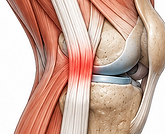
Patellofemoral Pain
Pain around or behind the kneecap, often made worse by squatting, running, stairs or sitting for long periods. We address the underlying movement and strength factors to reduce pain and improve function.
Ligament Injuries (ACL, MCL, LCL, PCL)
We assess, rehabilitate and guide you through recovery after ligament injuries, whether treated conservatively or following surgery, helping you return safely to the activities and sports you enjoy.
Meniscal Injuries
Meniscal injuries can cause pain, swelling and catching or locking sensations. We use clinical assessment, strength testing and progressive rehabilitation to support recovery and restore knee function.
Patellar & Quadriceps Tendinopathy
Tendon pain around or above the kneecap is common in running and jumping sports. We combine accurate diagnosis, load management and progressive strengthening to reduce pain and improve tendon capacity.
Knee Osteoarthritis
We help manage knee osteoarthritis with a focus on reducing pain, improving strength and mobility, and maintaining confidence in everyday activity, exercise and sport.
IT Band Syndrome
Pain on the outside of the knee is common in runners and cyclists. We assess training load, strength, movement and other contributing factors to help you return to training comfortably.


More Than Just Treating the Pain
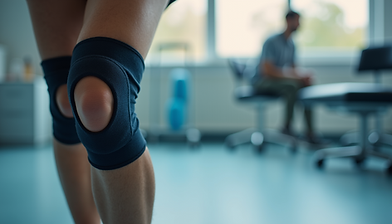
Knee pain is not always explained by one structure alone. We assess how your knee moves and functions as part of the wider system, including the hip, ankle and the strength and control of the muscles around the joint.
Depending on your symptoms and goals, we may assess factors such as:
• Knee range of movement
• Quadriceps and hamstring strength
• Side-to-side strength differences
• Hip strength and control
• Ankle mobility
• Squatting, stepping and single-leg control
• Running, jumping and change-of-direction ability
• Sport, work and daily activity demands
The aim is to identify meaningful findings that can guide your rehabilitation — not simply to treat the area where you feel pain.
Our Approach to Knee Pain
01
Understand the problem
We start with your injury history, symptoms, activities and the demands of your work or sport.
02
Assess
Your clinician examines movement, strength, function and relevant areas around the knee.
03
Treat and rehabilitate
Your plan may combine hands-on treatment, symptoms managment and progressive exercise rehabilitation.
04
Restore function
We progressively rebuild movement, strength and confidence for everyday activity, work or sport.
05
Build resilience
For patients with higher demands, we continue developing strength and capcity beyond simply becomin pain-free.
Objective Knee Strength Testing with VALD Technology
Pain improving does not always mean that knee strength has fully returned.
At Light Blue Clinic, we use VALD dynamometry and force plate testing where appropriate to objectively measure strength, identify meaningful side-to-side differences and track progress during rehabilitation.
Objective testing can help us:
• Establish a strength baseline
• Compare the affected and unaffected leg
• Identify specific strength deficits
• Guide exercise selection and progression
• Track improvement during rehabilitation
• Support return-to-running or return-to-sport decisions
Testing is always interpreted alongside your symptoms, clinical assessment and individual goals.


Treatment Tailored to You
There is no single treatment that works for every knee problem.
Depending on your assessment, your plan may include:
• Osteopathy or physiotherapy
• Hands-on treatment where appropriate
• Progressive strength rehabilitation
• Mobility and movement exercises
• Quadriceps, hamstring and hip strengthening
• VALD strength testing and progress tracking
• Shockwave therapy for appropriate tendon conditions
• Sports massage where useful
• Strength and conditioning
• A progressive return-to-running, return-to-work or return-to-sport programme.
Your treatment plan is based on what we find during your assessment and adapted as your symptoms, movement and strength improve.
Frequently asked questions
Ready to Move With Confidence Again?
Whether you are dealing with a new injury, persitent knee pain or a problem keeps returning, we can help you understand what is happening and build a clear plan forward.
Book a Knee Assessment at Light Blue Clinic in Cambridge.